




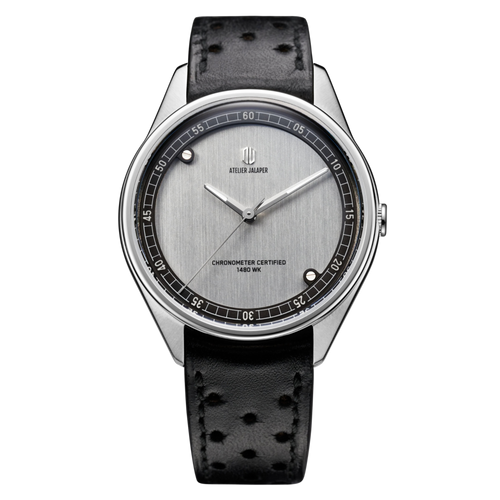
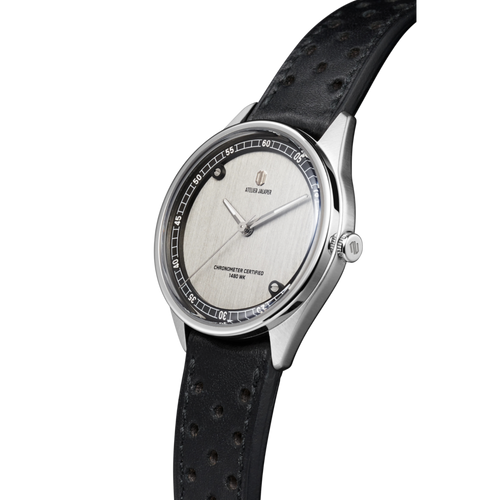
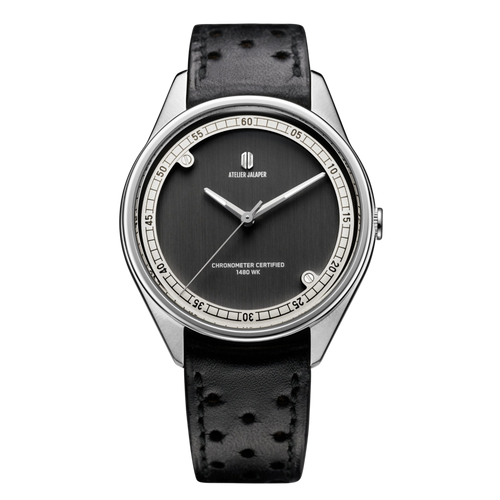
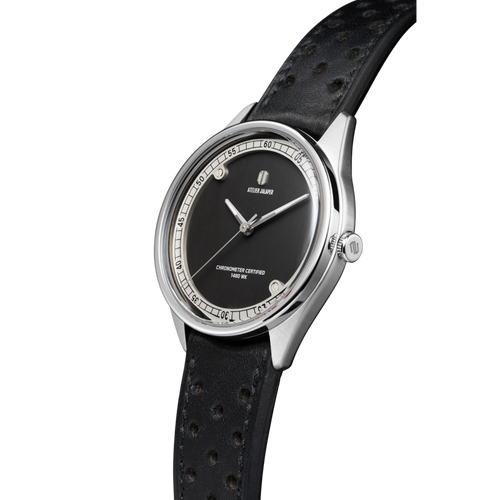
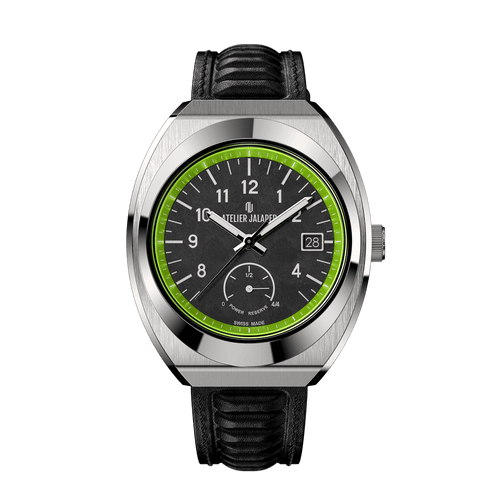
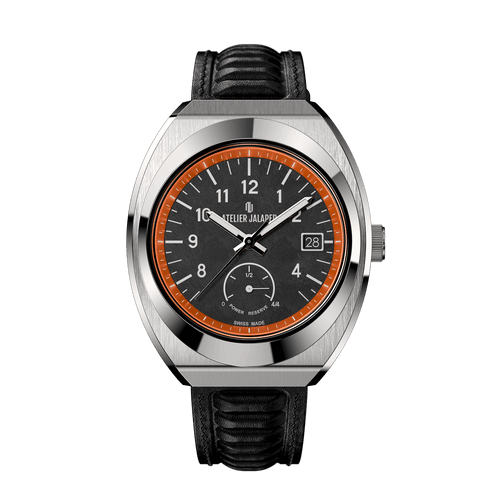
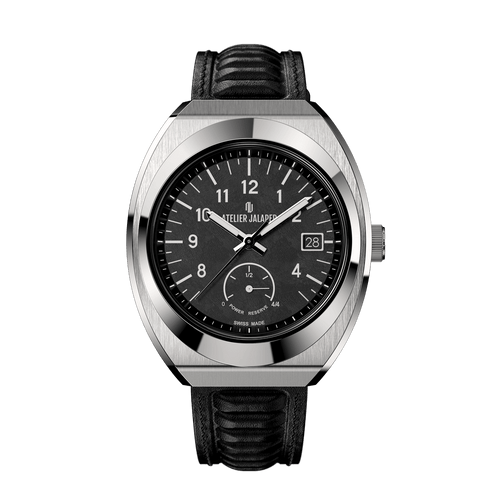
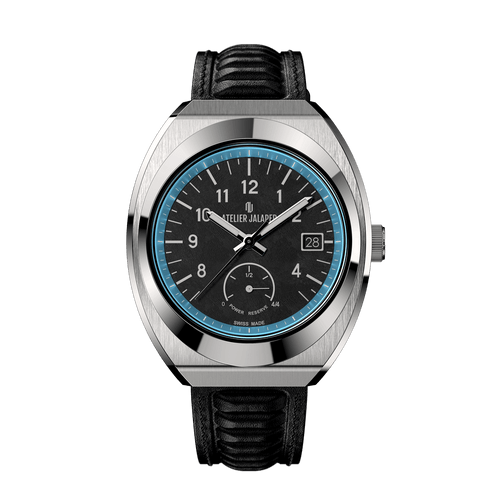
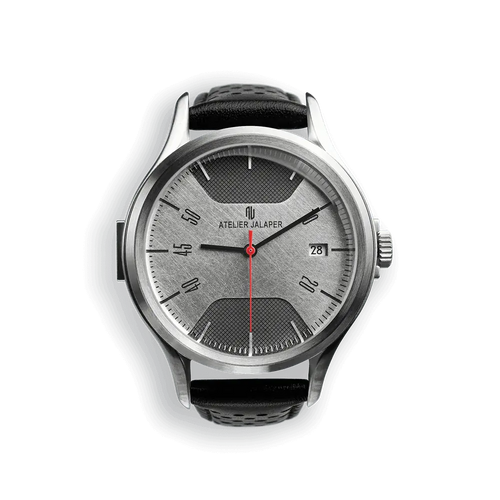
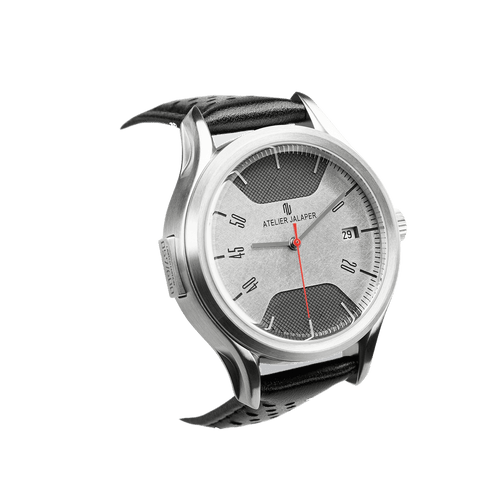
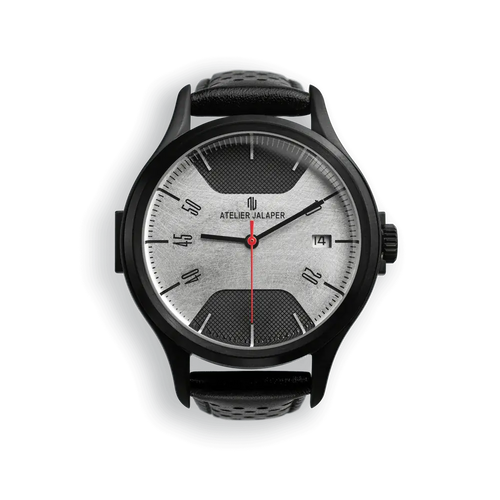
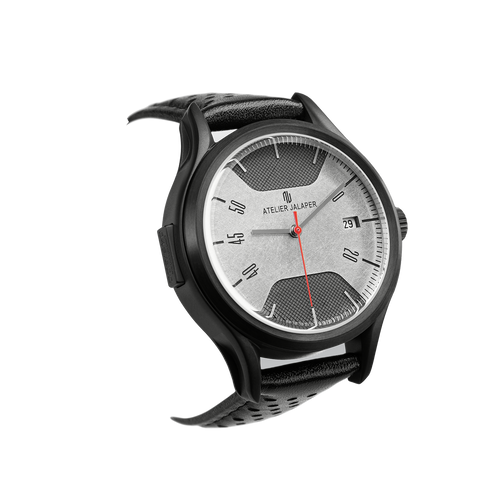





When should you service your automatic watch movement ?
Knowing when to service your automatic watch movement means acting before a real problem develops. A preventive service generally costs less and protects the mechanism better than a repair carried out under pressure.
The frequency generally recommended in the industry
In mechanical watchmaking, the most common practice is to service an automatic movement every 4 to 5 years, regardless of brand. This interval allows the internal lubrication to be renewed before it degrades enough to cause premature wear on certain components.
Signs that a service is approaching
Several signals should alert you before the usual deadline. A more pronounced loss or gain in accuracy than usual, outside the normal tolerances for a COSC-certified movement, is one. A noticeably reduced power reserve, with the watch stopping after around thirty hours instead of the usual 56, is another. Unusual sounds during winding, or an abnormal feeling of resistance at the crown, are also worth having checked by a professional.
What a full service covers
A standard service involves completely dismantling the movement, cleaning each component, replacing identified wear parts, relubrication with the appropriate oils, then reassembly and regulation of the movement before a water resistance check. It's a more thorough operation than simply cleaning the case, and it should be carried out by a qualified watchmaker.
Who to turn to
For a watch still under warranty, going directly through Atelier Jalaper is better than using a third-party watchmaker, to avoid any risk of voiding the current coverage. Our warranty guide for the Type E collection covers this in detail. Once the warranty has expired, a qualified independent watchmaker familiar with the Sellita calibre family can also carry out the work.
Getting ahead rather than waiting for a breakdown
Waiting for the watch to stop completely before acting is never the best option. A movement running outside its normal tolerances can accumulate unnecessary wear on otherwise healthy components. An early service, even slightly ahead of the usual schedule, is often the most cost-effective choice in the long run.
The cost of a service: something to plan for
The price of a full service depends on the condition of the movement and the work required. At Atelier Jalaper, as with most watchmakers, there is no fixed rate published in advance; instead, a personalised quote is drawn up after the watch has been examined. The simplest approach is to ask for that quote before sending the watch in, rather than finding out the amount afterwards. Setting aside a rough budget for this every few years is part of the normal running cost of a mechanical watch, in the same way as regular case and strap cleaning.
Keeping a written record of each service, with the date and the watchmaker involved, also makes a future sale easier. A clear maintenance history reassures any prospective buyer about the actual condition of the movement.
Some watchmakers offer a free or low-cost initial diagnosis before committing to a full service, which lets you confirm whether the work is genuinely necessary before agreeing to the full cost. It's worth asking before handing the watch over.
Regular servicing also benefits daily accuracy. A well-maintained movement holds the tolerances of its COSC certification more consistently, while a movement that has become dirty or poorly lubricated drifts gradually, even without an outright failure.
In summary
A service every 4 to 5 years is a sound benchmark for your automatic watch. Keep an eye on the warning signs between services, and our guide to how the movement works will help you understand what's normal and what isn't.