




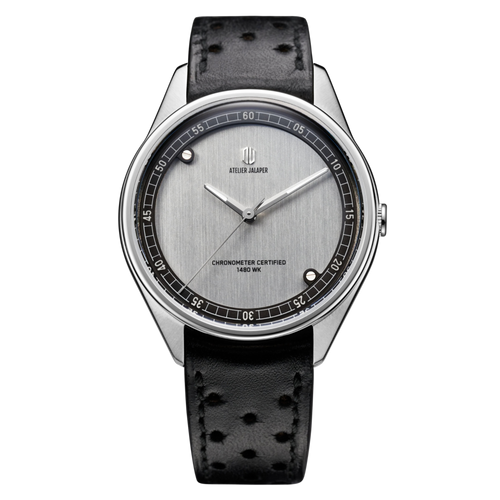
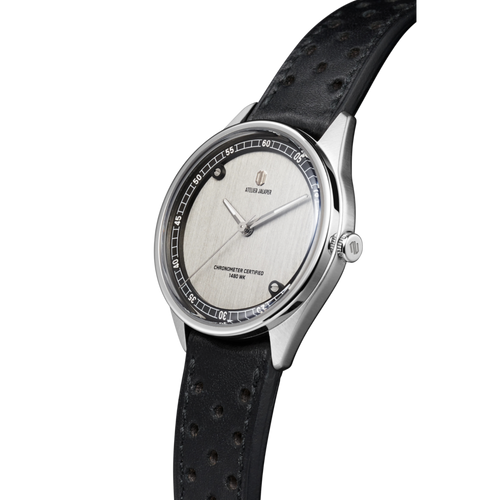
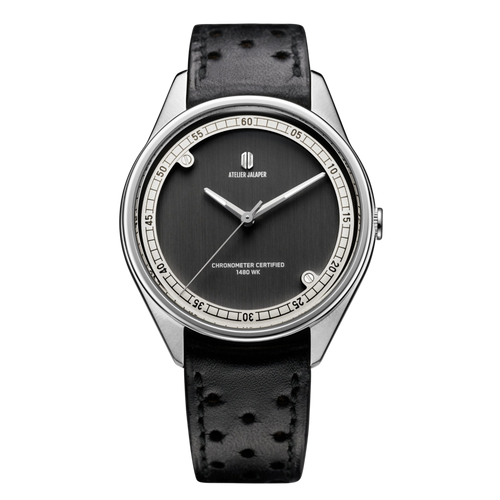
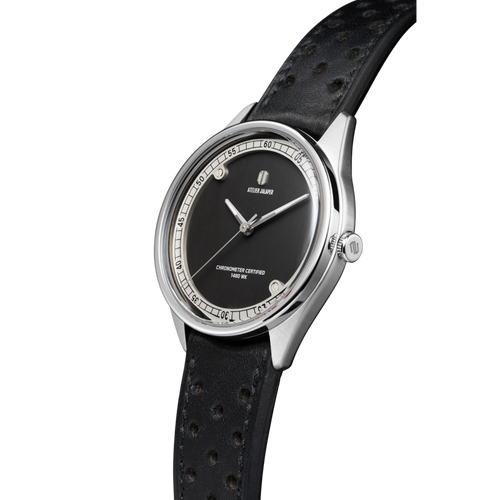
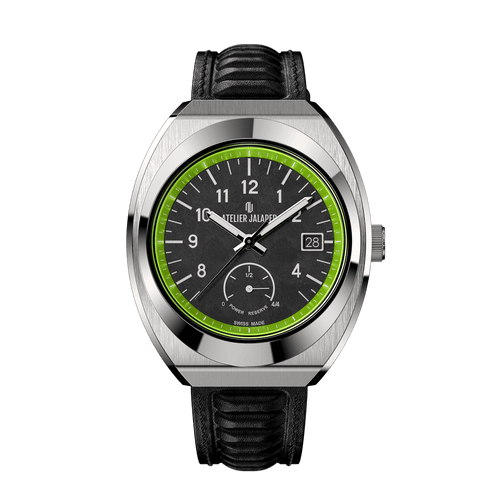
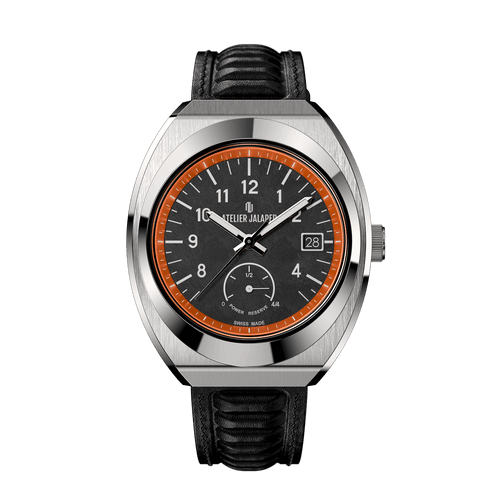
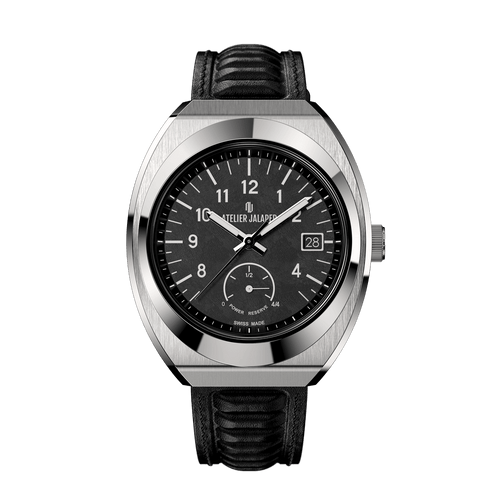
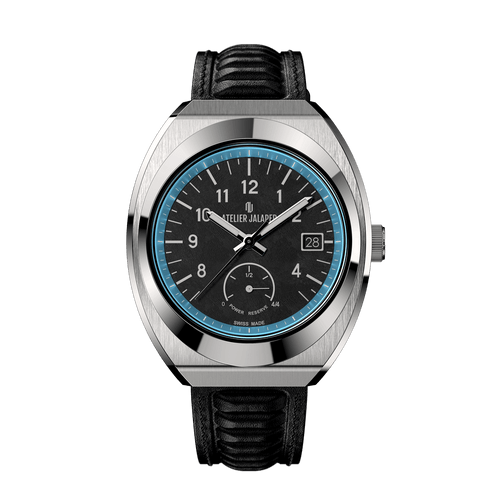
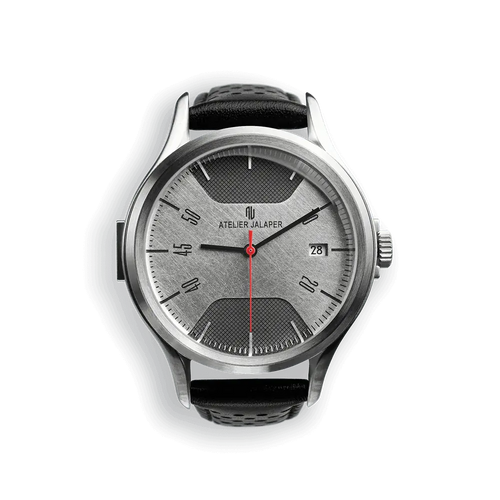
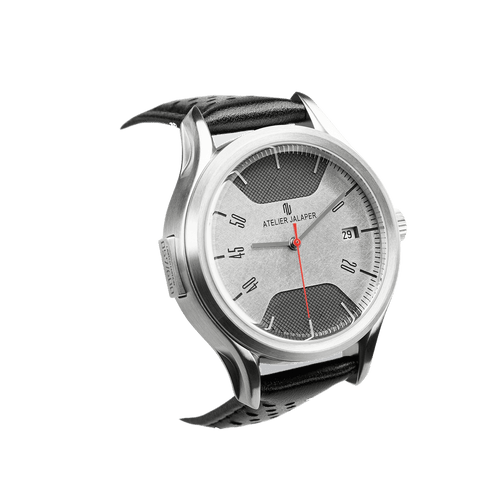
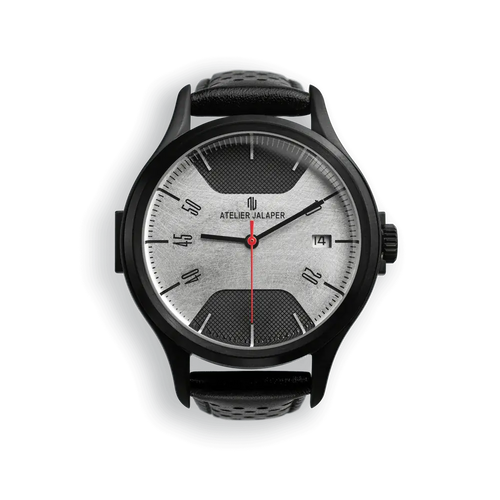
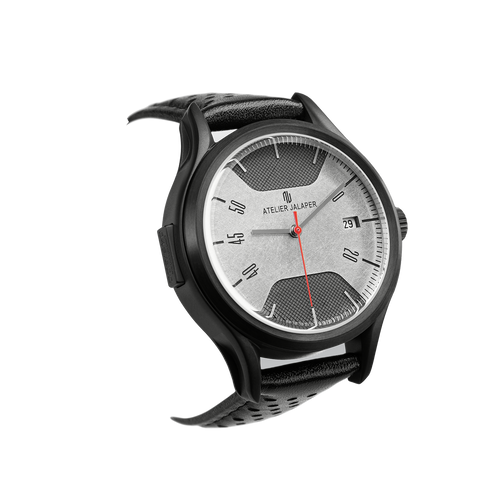




How to travel with your AJ-003 collection watch
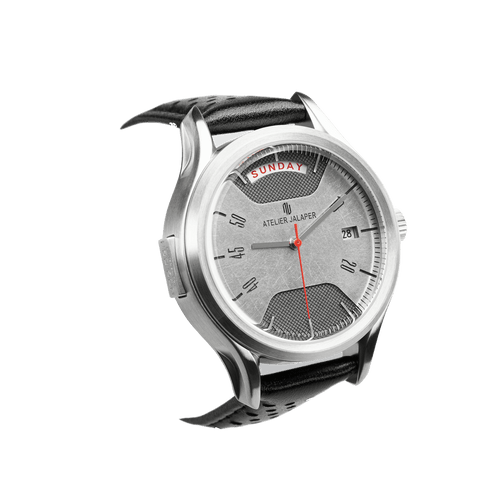
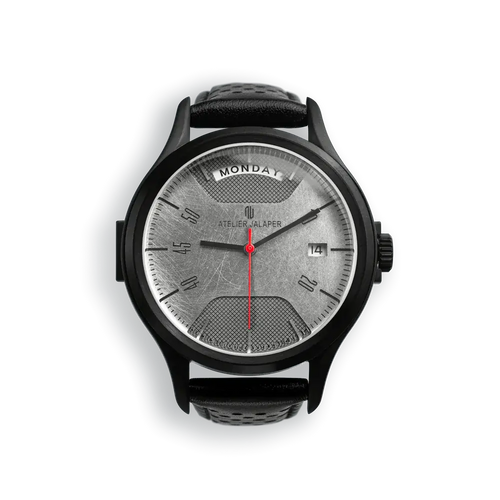
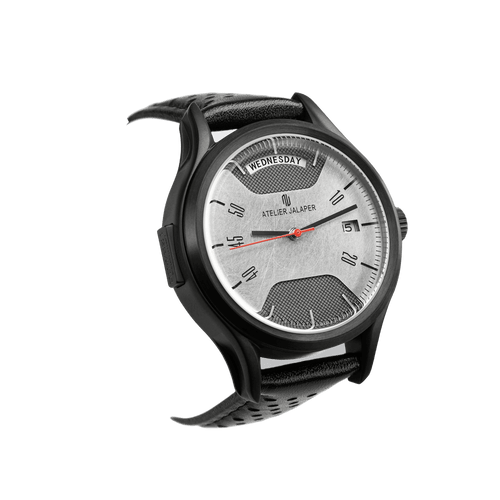
Taking a collection watch of the Type E collection on the road calls for a little more thought than an everyday piece, especially when the dial is a genuine and non-reproducible fragment of automotive history. Here's how to travel well with your AJ-003, whether for a weekend or a longer trip.
The travel case: your best option
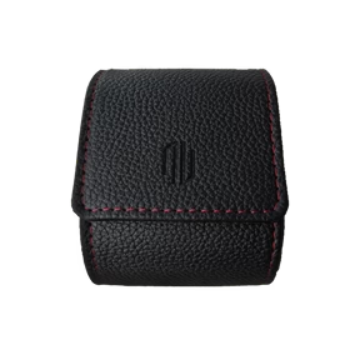
If you have the Atelier Jalaper travel case, it's the safest place for your watch when you're not wearing it. It protects against knocks during transit and stops the watch from moving freely in a bag in contact with other objects that could scratch the case or strap. Keep it in your carry-on rather than checked luggage, to reduce the risk of loss or a hard impact.
Airport security
Security screening can generate magnetic fields that may affect a mechanical watch's timekeeping. As a precaution, take the watch off before walking through the scanner and place it with your personal items on the tray. The X-ray scanner used for baggage does not pose any particular risk to a mechanical movement.
Climate changes
Travel often exposes your watch to more pronounced swings in temperature and humidity than usual: heavy air conditioning, humid heat, dry cabin air on a flight. If your watch is fitted with its original leather strap, these variations can speed up the leather's drying out. A light application of conditioning balm before a trip to a very dry or very humid climate can help limit this. Our strap cleaning guide covers the right approach.
Keep a record of your purchase
Carry, or at least photograph on your phone, your proof of purchase and the serial number of your watch. In the event of loss, theft, or a customs check when crossing a border with a valuable item, these documents make any process considerably easier. Our warranty guide for the Type E collection comes back to the value of keeping this kind of information to hand.
Wearing it or packing it, depending on the journey
For a flight or train journey, wearing the watch is often safer than leaving it in a bag that could be lost or mishandled. For an active trip involving activities where the watch would be at greater risk from knocks or water, it's better to leave it safely in the hotel or in your travel case rather than keeping it on your wrist throughout. Our guide to beach use gives useful guidance if your trip includes water activities.
Customs and travel insurance
If you're travelling outside the European Union with your watch, some countries require a declaration for items of value at customs: check the rules before you leave to avoid complications on the way back. Check also whether your home insurance or travel insurance covers valuables carried abroad; many policies include a clause on this, sometimes with a cap, and it's better to know the terms before an incident than after.
A time zone change during the trip requires nothing unusual: simply adjust the time via the crown as you normally would, as explained in our time-setting guide.
For a longer trip, slipping a small spring bar tool and a spare bar into your bag can be useful if the strap needs adjusting along the way, particularly if the climate causes slight swelling or contraction of your wrist.
Check the climate conditions at your destination before leaving too. A very humid or very dry climate puts more strain on the leather strap than a temperate one would. If your stay runs to several weeks, a light strap care routine on arrival can compensate for that prolonged exposure.
In summary
A suitable case, a few precautions against climate changes, and your purchase documents: that's all it takes to travel comfortably with your Type E watch. Everything else comes down to the same common sense you'd apply to any valued possession.